Evaluating Basic Coordinating Digital Papers for Versatile Craft Projects
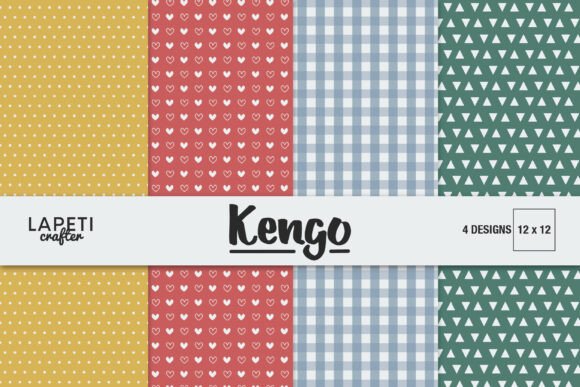
For crafters who spend significant time curating supplies, the concept of a "basic coordinating" collection often serves as the foundation of a functional creative library. Unlike seasonal kits that may sit unused for eleven months of the year, Basic Coordinating Digital Papers are designed to offer timeless utility. This specific type of resource typically includes a curated set of patterns—often around four distinct designs—that share a unified color palette and aesthetic scale. When evaluating whether this type of digital asset fits your workflow, it is essential to look beyond the immediate visual appeal and consider how these files integrate into various mediums, from junk journals to professional planner layouts.
The primary distinction of a basic coordinating set lies in its versatility. While themed collections might feature bold illustrations or specific holiday motifs, a basic set focuses on textures, subtle geometrics, and neutral or muted tones. This approach ensures that the papers act as a supporting cast rather than the main event, allowing photos, handwritten notes, or embellishments to take center stage. For adults aged 20 to 50 who are managing multiple creative hobbies, having a go-to stack of digital papers that work across different projects reduces decision fatigue and streamlines the design process.
Format Flexibility and Technical Specifications
When downloading digital crafting resources, the file formats provided are just as critical as the designs themselves. A robust collection of Basic Coordinating Digital Papers should ideally offer multiple format options to accommodate different printing and editing needs. The standard inclusion of JPG, PNG, and PDF files addresses the most common technical requirements for home crafters.
- JPG Format: Best for general printing and inserting directly into word processors or simple photo editors. These files are universally compatible but do not support transparency.
- PNG Format: Essential for digital planning and layered design work. The ability to have a transparent background (if the design allows) or simply a lossless compression makes PNGs superior for overlaying elements in software like Procreate, Canva, or Photoshop.
- PDF Format: Often the preferred choice for those who want to print full sheets without worrying about scaling issues. PDFs preserve the exact dimensions, ensuring that a 12x12 inch file prints at the correct size without manual adjustment.
The resolution is another non-negotiable factor. High-resolution files, typically 300 DPI (dots per inch), are mandatory for crisp printing. Lower resolution images may appear pixelated when printed on standard home inkjet or laser printers, ruining the professional look of a handmade card or scrapbook page. A 12x12 inch dimension is the industry standard for scrapbooking, making these files immediately usable for traditional album layouts without the need for resizing or cropping that could degrade image quality.
Comparing Basic Sets to Themed and Seasonal Alternatives
In the broader market of digital paper resources, consumers generally encounter two main categories: thematic/seasonal kits and basic coordinating staples. Understanding the trade-offs between these categories helps in building a balanced supply closet.
Thematic kits are excellent for specific projects, such as a Christmas memory book or a baby shower invitation suite. They often include matching clipart, alphabets, and elaborate borders. However, their utility is often limited to a short window of time. Once the season passes, the intense colors and specific imagery can feel out of place.
In contrast, Basic Coordinating Digital Papers function more like a wardrobe staple, such as a pair of well-fitting jeans or a white button-down shirt. They may lack the immediate "wow" factor of a glittery Halloween kit, but they provide the necessary structure for everyday creativity. For journal lovers and planner creators, this means having backgrounds that do not clash with daily entries or functional stickers. The coordinated palette in a basic set ensures that mixing and matching feels intentional rather than chaotic, providing a polished look with minimal effort.
Best-Fit Situations for Basic Coordinating Collections
Determining when to utilize a basic set versus a more elaborate one depends largely on the end goal of the project. Here are several scenarios where these versatile papers excel:
- Junk Journals and Travel Logs: These projects often involve layering various ephemera. A subtle, coordinating background provides depth without obscuring ticket stubs, receipts, or handwritten anecdotes.
- Planner Decoration: Functional planners require readability. Loud patterns can make writing difficult to read. Basic papers offer texture and visual interest while maintaining the legibility required for scheduling and note-taking.
- Memory Keeping: When the focus is on photography, the paper should frame the image, not compete with it. Neutral tones and soft patterns found in basic sets allow photos to remain the focal point.
- DIY Party Stationery: For events where a cohesive look is desired without a specific character theme, coordinating papers can be used to create menus, place cards, and favor tags that look professionally designed.
Limitations and Decision Factors
While Basic Coordinating Digital Papers are incredibly useful, they are not a one-size-fits-all solution. Crafters should be aware of certain limitations before purchasing. If a project demands high-impact visuals, such as a birthday card for a child who loves bright superheroes or a festive holiday banner, a basic set may feel too understated. In these instances, supplementing a basic collection with specialized, themed elements is often the best approach.
Another consideration is the variety within the set. A collection containing only four papers, while sufficient for small projects, might feel repetitive for large-scale scrapbook albums requiring dozens of unique pages. Users should evaluate whether the four included patterns offer enough variation in scale and tone. Ideally, a good basic set will include a mix of solids, small-scale prints, and perhaps one medium-scale pattern to create visual rhythm.
Furthermore, the method of creation matters. For those who primarily craft digitally on tablets, the availability of PNG files with transparency is crucial. If a set only offers JPGs, the user is limited to using the paper as a full-background layer, which restricts creative layering possibilities. Conversely, for those who strictly print and cut, the PDF format's reliability in maintaining dimensions becomes the priority.
Making an Informed Choice
Ultimately, adding Basic Coordinating Digital Papers to your digital library is an investment in efficiency and cohesion. They serve as the glue that holds diverse creative projects together, offering a reliable aesthetic that transcends trends. For the evaluator looking to optimize their crafting time, these resources eliminate the guesswork of color matching and pattern pairing.
However, they work best when viewed as part of a larger ecosystem of supplies. They are the canvas upon which more specific, expressive elements can shine. By understanding the strengths of these timeless essentials—high resolution, multiple formats, and versatile design—crafters can make informed decisions that enhance both their digital and physical creations. Whether you are assembling a complex junk journal or simply sprucing up a weekly planner, the right basic coordinating set provides the professional polish that elevates handmade projects from amateur to accomplished.