Vintage Ephemera Handwritten Junk Journals Guide
There is a specific kind of magic found in old paper. The yellowed edges, the faint scent of vanilla and dust, and the looping curves of Victorian script tell stories even before you write a single word of your own. For many creatives, capturing this aesthetic without hunting through dusty antique shops is now possible through Vintage Ephemera Handwritten Junk Journals. This digital approach allows you to build layered, textured projects that feel centuries old while working entirely from the comfort of your home studio.
At its core, this style of journaling is about collage and memory keeping. It involves combining various paper elements—such as ledger pages, love letters, and music sheets—to create a visual diary. When you utilize high-resolution digital versions of these materials, you gain access to pristine scans of real antique paper. These files often come in formats like JPG with 300 DPI resolution, ensuring that when printed, the texture of the grain and the depth of the ink remain sharp and authentic. Whether you are a seasoned scrapbooker or a beginner looking to start a creative hobby, understanding how to leverage these digital assets can transform your crafting process.
The Appeal of Digital Antique Aesthetics
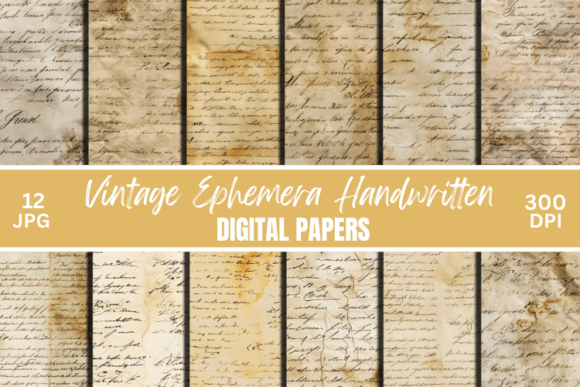
Why choose digital over digging through actual estate sales? The primary advantage is consistency and variety. A single download bundle might include twelve unique 12x12 inch papers featuring everything from rough, rustic parchment to elegant, faded handwriting. In the physical world, finding a matching set of aged papers with complementary tones of sepia, cream, and soft pastels can take months of searching. With digital ephemera, you have an instant library of heritage-inspired designs at your fingertips.
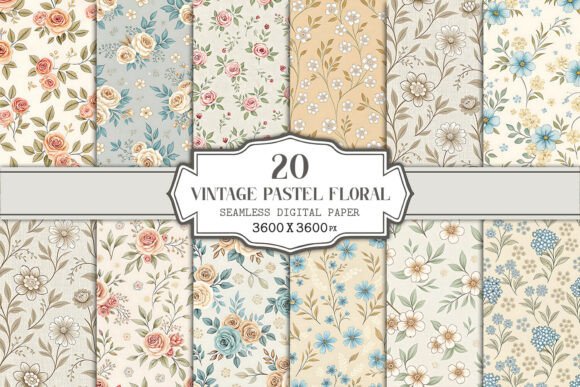
Furthermore, the versatility of these files cannot be overstated. Because they are seamless patterns or high-quality textures, they serve multiple purposes beyond just gluing them into a book. You can use them as backgrounds for greeting cards, wrap them around acrylic tumblers via sublimation, or even incorporate them into wedding stationery. The "distressed" and "weathered" look adds a layer of timeless elegance that modern, bright white paper simply cannot replicate. It evokes a sense of nostalgia, making every project feel like a discovered relic rather than a newly made item.
Practical Applications for Creators and Hobbyists
The utility of vintage paper patterns extends far beyond personal diary keeping. For small business owners and entrepreneurs, these assets are gold mines for product creation. Imagine offering custom gift wrapping services using romantic, script-heavy designs, or selling handmade planners that feature interior pages printed from these antique ledger scans. The 3600 x 3600 pixel resolution ensures that even when scaled or cropped for smaller items like stickers or embroidery backdrops, the quality remains professional.
For educators and bloggers, these visuals provide excellent content enhancement. A history teacher might use images of old manuscripts to create engaging handouts, while a lifestyle blogger could use the textures as overlays for social media graphics to give their feed a cohesive, artistic vibe. Even in commercial settings, such as designing menus for a rustic café or creating signage for a vintage-themed event, these digital papers offer a quick and cost-effective solution.
Consider the following ways enthusiasts are currently utilizing these resources:
- Junk Journaling: Creating signature pages, pockets, and tags by printing on cardstock and distressing the edges further with ink.
- Digital Planning: Importing the JPG files directly into tablet apps to create hyper-realistic digital planners.
- Home Decor: Framing the most beautiful script or floral sections as wall art to add character to a room.
- Crafting with Machines: Using cut machines to slice intricate shapes out of printed sheets for 3D embellishments.
- Sublimation Projects: Applying the seamless patterns to mugs, tumblers, and tote bags for personalized gifts.
Getting Started: What to Consider Before You Begin
If you are new to the world of Vintage Ephemera Handwritten Junk Journals, there are a few technical and creative factors to keep in mind to ensure your results match your vision. First and foremost, remember that these are digital products. The colors you see on your screen may vary slightly from what comes out of your printer due to monitor settings and ink types. It is always wise to print a test page on the specific paper stock you intend to use for your final project. This helps you gauge how the "yellowed" or "faded" tones translate to physical media.
Paper choice is equally important. To truly mimic the feel of antique ephemera, avoid glossy photo paper. Instead, opt for matte cardstock, kraft paper, or even watercolor paper if you plan to add wet media like paints or glues. The texture of the paper itself interacts with the printed image; a rougher surface can enhance the "grunge" and "worn" aesthetic inherent in these designs. If you are creating a junk journal, mixing different weights of paper adds tactile interest and durability to your binding.
Another consideration is the scale of your project. Since these files are typically 12x12 inches at 300 DPI, they are perfect for standard scrapbook layouts. However, if you intend to use them for larger formats like wall art or backdrop banners, you may need to tile the seamless patterns or adjust your printer settings to handle larger media. Conversely, for small items like stickers or jewelry tags, you can print multiple images on a single sheet to maximize efficiency.
Unlocking Creative Potential
The beauty of working with vintage-inspired digital papers lies in the freedom to experiment without fear of wasting rare originals. You can print the same beautiful love letter design ten times, trying different cutting techniques, folding methods, or layering combinations until you achieve the perfect look. This low-risk environment encourages beginners to develop their style and professionals to push their creative boundaries.
Whether you are documenting a family history, creating a bullet journal with a historic twist, or designing commercial products for an online shop, these resources bridge the gap between the past and present. They allow us to hold onto the charm of handwritten correspondence and the solidity of old ledgers in a modern, digital format. By integrating these elements into your work, you are not just decorating a page; you are curating a feeling of warmth, history, and artistic expression that resonates with anyone who sees it.
Ultimately, the goal is to create something that feels personal and meaningful. The "undefined" nature of some handwritten textures means they don't dictate a specific narrative, allowing your own words and memories to take center stage. As you explore the vast possibilities of collage sheets, parchment textures, and script patterns, you will find that the only limit is your imagination. Dive into the archive, select your favorite patterns, and start building your own legacy of paper and ink.