Mastering the Classic Bold Stripe Seamless Pattern for Professional Results
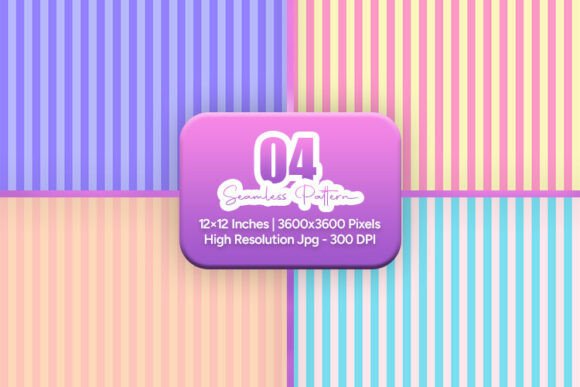
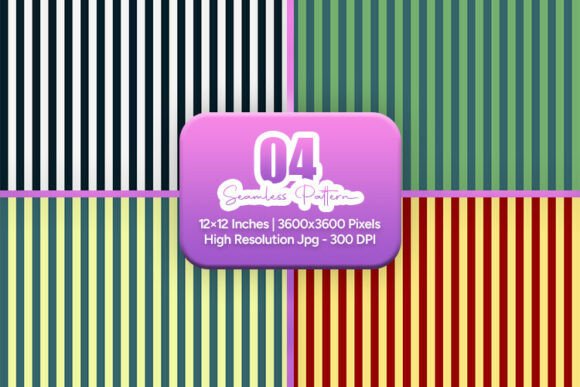
There is a distinct satisfaction in finding a design element that instantly elevates a project from amateur to professional. The Classic Bold Stripe Seamless Pattern offers exactly that kind of transformative power. This collection features vertical stripes with rich, striking color combinations that command attention without overwhelming the viewer. Whether you are designing a custom planner layout, creating sublimation prints for apparel, or crafting unique wrapping paper, these patterns provide a solid foundation. However, simply downloading a high-quality file does not guarantee a successful outcome. Many creators, from hobbyists to small business owners, stumble over technical details and application strategies that can undermine the potential of their work. Understanding how to properly select, prepare, and apply these assets is just as important as the design itself.
Overlooking Resolution and Scale Requirements
One of the most frequent errors occurs before the design process even begins: ignoring the relationship between pixel dimensions and physical output size. The files in this collection are provided at 3600 x 3600 pixels with a resolution of 300 DPI, formatted as high-quality JPGs. While these specifications are excellent for standard print projects like scrapbooking pages or 12x12 inch card layouts, issues arise when users attempt to scale the image significantly larger without understanding the consequences.
If you plan to use these stripes for wallpaper or large-format fabric printing, stretching a 12x12 inch source file to cover a whole wall will result in pixelation and a loss of crispness. The "bold" nature of the stripes makes blurring particularly noticeable. To avoid this, always calculate your final output size first. If your project exceeds the native 12x12 inch limit at 300 DPI, consider using the pattern as a repeating tile in your design software rather than stretching a single instance. Most professional printing services allow you to upload a seamless tile, which they then repeat infinitely across the material, maintaining perfect sharpness regardless of the final dimensions.
Misunderstanding Seamless Repetition
The term "seamless" implies that the pattern tiles perfectly without visible breaks, but achieving this in your final product requires careful handling during the setup phase. A common mistake is placing the image on a canvas that is not an exact multiple of the pattern's dimensions. When this happens, the stripes may cut off awkwardly at the edges of your document, creating a jarring visual interruption that ruins the illusion of continuity.
For example, if you are designing a digital planner page that is 8.5 x 11 inches, simply dragging the 12x12 inch stripe image onto the canvas might leave uneven margins or cropped lines. Instead, define the pattern as a fill within your software or ensure your artboard dimensions align with the repeat unit. For physical crafts like fabric printing, request a "half-drop" or standard repeat proof from your printer if you are unsure how the vertical lines will align across seams. Taking a moment to preview the tiling effect saves wasted material and ensures the bold vertical lines flow naturally across the entire surface.
Neglecting Color Context and Contrast
The Classic Bold Stripe Seamless Pattern collection is celebrated for its rich and striking color combinations. However, what looks vibrant on a backlit monitor may behave differently when printed on matte cardstock, glossy vinyl, or cotton fabric. A frequent oversight is failing to test how these specific colors interact with the substrate you intend to use. Darker, bolder stripes can sometimes bleed slightly on absorbent papers, while very bright neon accents might appear muted on uncoated materials.
Furthermore, consider the context in which the pattern will be viewed. If you are using these stripes as a background for text-heavy elements, such as a blog graphic or an educational worksheet, the high contrast of bold vertical lines can make reading difficult. In such cases, lower the opacity of the pattern layer or overlay a semi-transparent white box behind your text. This approach retains the energetic aesthetic of the stripes while ensuring legibility. Always print a small test swatch if you are working on a commercial product line; seeing the actual ink on the material is the only way to verify that the color fidelity meets your brand standards.
Choosing the Wrong File Format for Editing
This collection is distributed as JPG files, which is a standard and widely compatible format. Yet, some users attempt to edit these files extensively as if they were vector graphics or layered PSDs. Because JPG is a raster format with compression, aggressive editing—such as drastically changing hue shifts or pulling out specific color channels—can introduce artifacts and degrade the clean edges of the stripes.
If your workflow requires significant color customization, it is better to treat the JPG as a base reference or a finished background rather than a raw asset to be deconstructed. For tasks like sublimation, where color accuracy is paramount, ensure your design software is set to the correct color profile (usually sRGB for digital and CMYK conversion handled by the printer) before importing the image. Do not rely on auto-enhance tools to "fix" the colors; these often muddy the precise tones selected for the bold collection. Embrace the palette as designed, or use adjustment layers sparingly to maintain the integrity of the high-resolution data.
Practical Steps for Success
To maximize the value of these patterns and avoid common pitfalls, adopt a checklist approach before starting your next creative endeavor:
- Verify Dimensions: Confirm that your project size matches the 300 DPI standard of the 12x12 inch file, or plan for tiling if going larger.
- Test Print: Run a small-scale test on your intended material to check for color shifting or bleeding.
- Check Legibility: Ensure bold stripes do not compete with foreground elements like text or focal images.
- Respect the Format: Treat the JPG as a high-quality final asset rather than a file for heavy reconstruction.
- Plan the Repeat: Visualize how the vertical lines will connect across seams in fabric or wallpaper applications.
By paying attention to these details, you transform a simple download into a versatile tool for your creative arsenal. The Classic Bold Stripe Seamless Pattern is designed to inspire, offering a bridge between traditional aesthetics and modern application. Whether you are a freelancer pitching a new branding concept, an educator making engaging classroom materials, or a crafter selling handmade goods at a local market, the difference lies in the execution. Avoiding these technical missteps ensures that your final presentation is polished, professional, and truly reflective of the quality inherent in the design.
Ultimately, the goal is to let the design work for you. When you understand the constraints and capabilities of your digital assets, you spend less time troubleshooting and more time creating. These bold vertical stripes offer a timeless look that fits seamlessly into diverse projects, provided they are handled with the care and technical awareness they deserve. Take the time to set up your files correctly, respect the resolution limits, and choose your substrates wisely. With these practices in place, your projects will not only look good but will stand the test of scrutiny from clients and customers alike.